
English communication
Project discussion, documentation comments and review notes can be handled in English.

We design circuit boards, embedded software, measurement devices, power stages and control systems for tasks where physics, constraints and operating conditions matter. We can work remotely with companies, laboratories, small businesses, product teams and individual customers worldwide.
Worldwide work
We can work with industrial companies, laboratories, small product teams, designers and individual customers when a task needs custom electronics, firmware, measurement or automation. The usual workflow is remote: email, technical documents, source files, design reviews and clear intermediate deliverables.
Project discussion, documentation comments and review notes can be handled in English.
We start from requirements, constraints, existing files and measurable acceptance criteria rather than broad marketing briefs.
Before work starts, the deliverable package names the files and results the customer will receive: schematics, PCB files, firmware, PC utilities, server-side components, reports and documentation when they are part of the project scope.
Directions
We design electronics around the actual task: measurement, control, power electronics, telemetry, test benches and equipment that must work in real operating conditions.
We design measurement front ends, sensors, data loggers and acquisition boards for applications where weak signals, accuracy, calibration and real operating conditions matter.
We build sensors, gateways and remote data collection systems for sites where wiring, permanent power or regular access are limited.
We develop embedded controllers, industrial modules, interfaces and firmware for equipment that must work reliably outside the lab.
We design power stages, converters, inverters, gate drivers and energy control systems where current, heat, protection and stable control are critical.
We create custom instruments and test benches for experiments, validation and R&D when off-the-shelf equipment does not fit the task.
We develop electronics and control systems for equipment that operates with real mechanics, drives, vibration, operators and field constraints.
Main projects
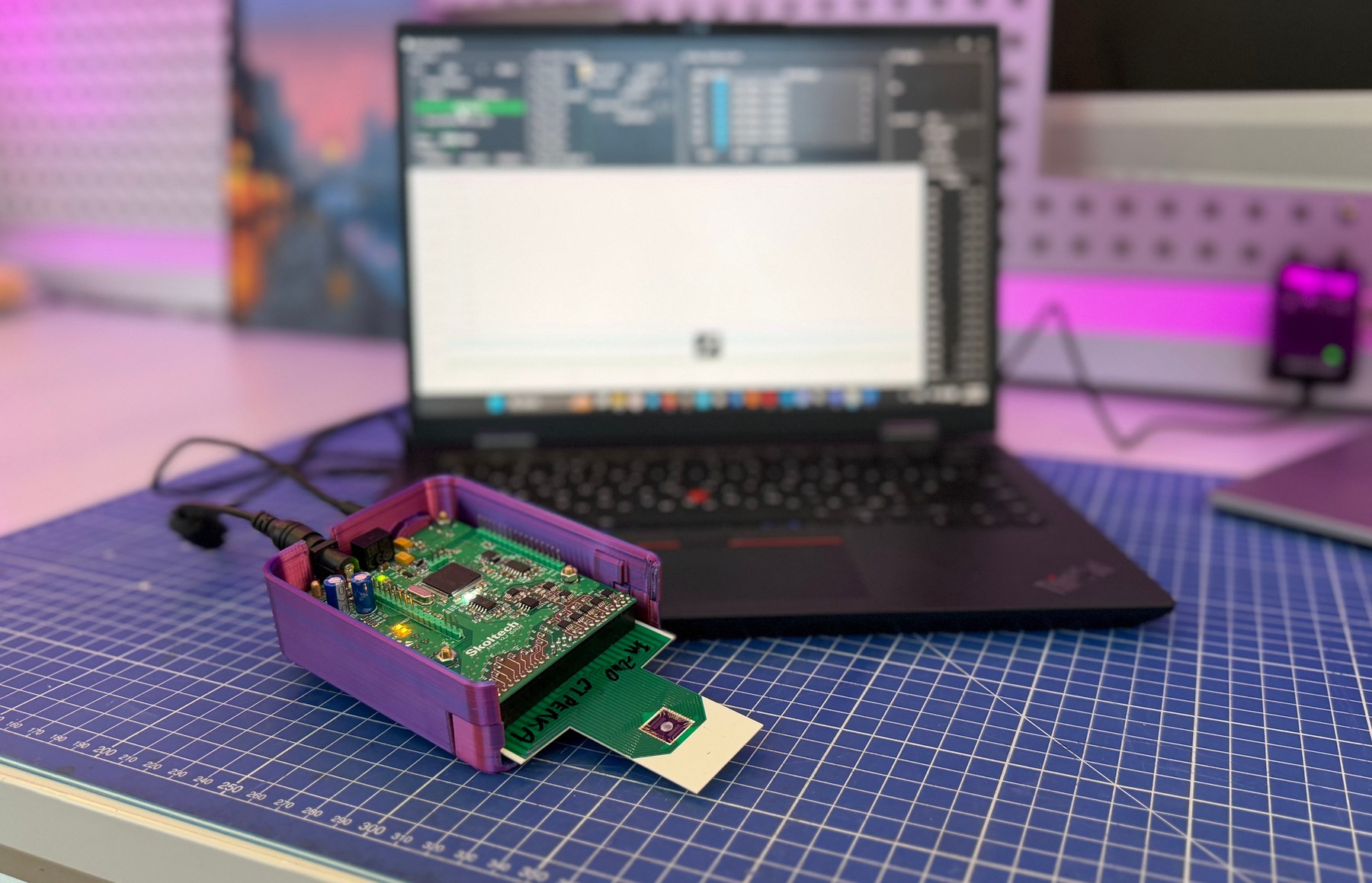
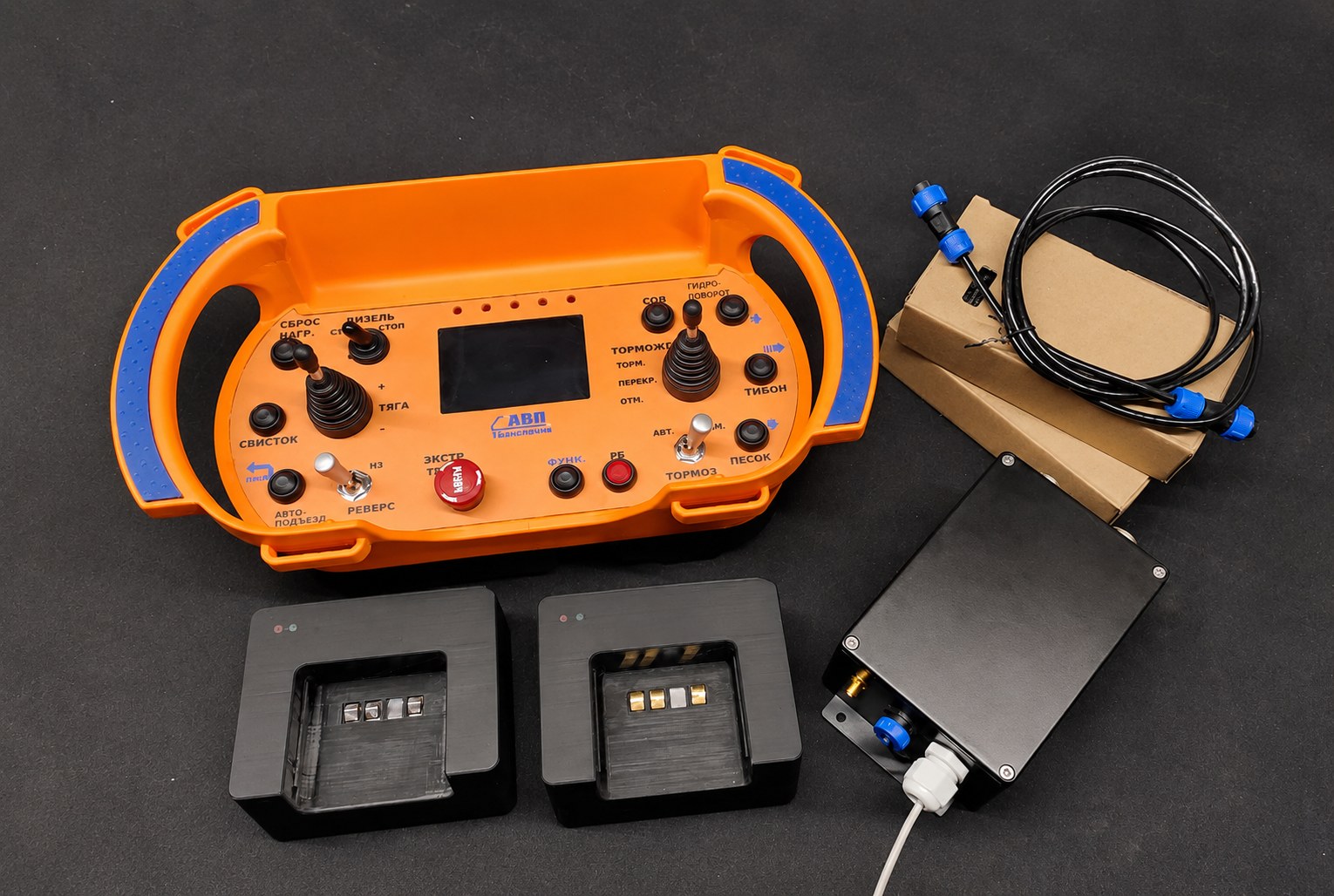

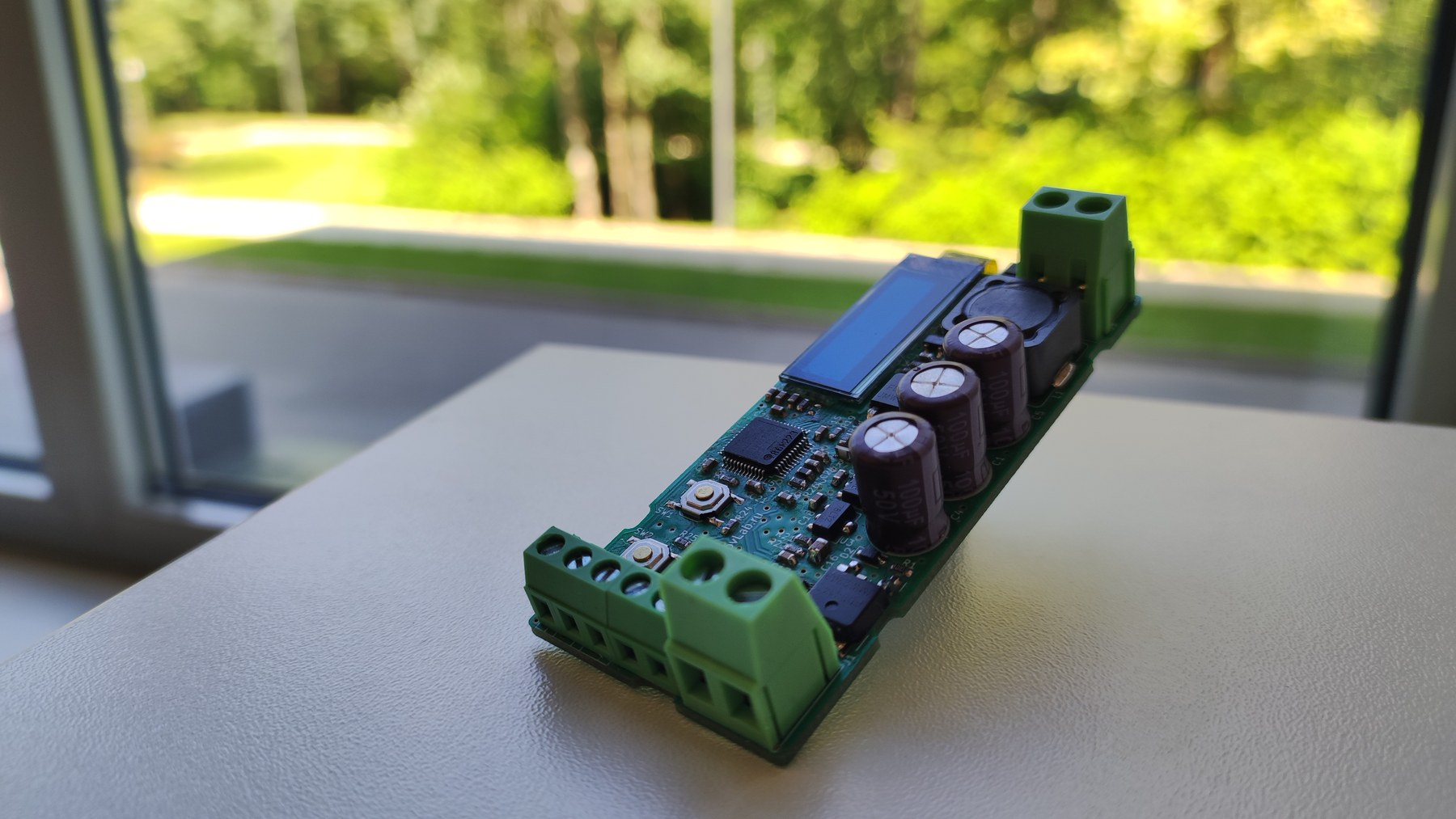
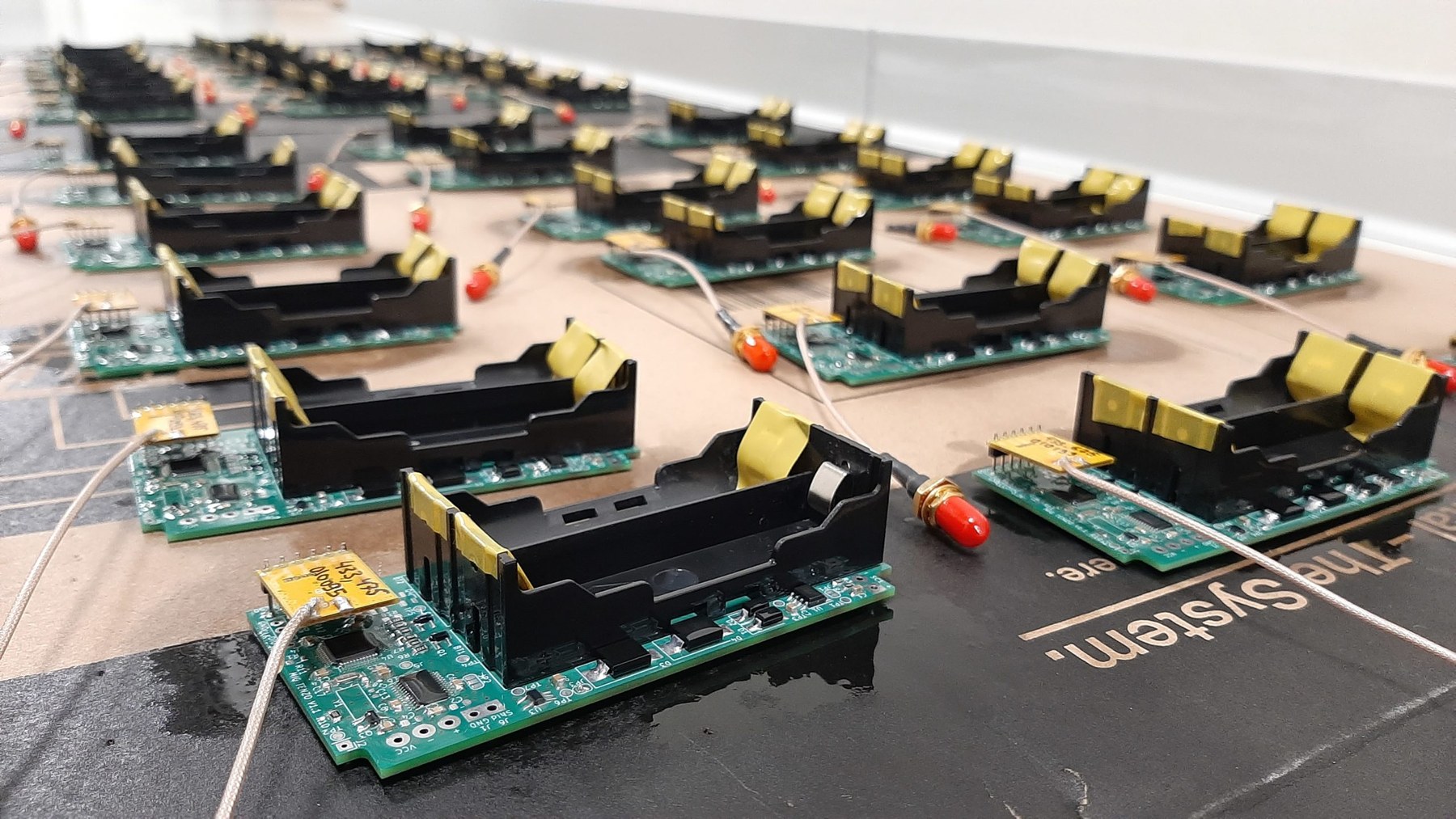
How work starts
We look at the source materials, ask clarifying questions and separate known requirements from assumptions.
We check obvious technical risks: power supply, accuracy, interference, thermal mode, dimensions, component availability and operating conditions.
If there is enough information, we define the approximate scope, stages, expected results and project start procedure.
Before the start we agree how materials are exchanged, how intermediate results are accepted and which decisions require separate approval.
What you receive
Usually this is not a single file, but a practical package of materials that can be used for prototyping, production transfer or further product development.
We clarify the task and fix the architecture: functional blocks, interfaces, power supply, sensors, actuators and operating limits.
Circuit design, component selection and PCB layout with power, interference, thermal, mechanical and production constraints in mind. For projects that include PCB development, the deliverable package is listed before work starts and includes the project files needed for further engineering work: schematics, PCB project files, Gerber/production files, BOM, assembly materials and board bring-up notes.
Embedded software, communication protocols, settings storage, diagnostics, calibration and, when needed, PC utilities, APIs or server-side components.
Board bring-up, measurements, operating-mode checks, boundary conditions, bug fixing and documented verification results.
Materials for understanding, servicing and developing the project: parameters, connection diagrams, startup procedure, settings and limitations.
When the device needs to be produced further, we prepare revisions, production files, specifications and recommendations for assembly and quality control.
FAQ
Short answers about project start, deliverables, confidentiality, batches and support after development.
Yes. A short description of the device, constraints, existing materials and expected result is enough for the first technical discussion.
Yes. Before work starts, we agree which source files, project files and results will be transferred to the customer. For electronics development work, this includes materials needed to operate, maintain, reproduce and further develop the result: schematics, PCB project files, production files, BOM, firmware source code, software, measurement results and documentation. Rights to results created specifically for the project are transferred to the customer; the scope of rights and transfer conditions are agreed before work starts.
Yes. Public case materials, photos, schematics, customer names and technical details are published only after agreement with the customer.
Depending on complexity, a small prototype batch can be organized directly, through contractors or in a mixed format. Larger quantities are normally handled through specialized contractors.
Yes. The customer does not have to be an electronics team; the task can start from a practical need, an existing process, a measurement problem or an unusual device idea.
Yes. After delivery, VlasovLab stays available for questions about operation, source files, production files and next steps. Clarifying questions are handled even when they were not separately listed in the original agreement; larger changes or new development are planned as separate work.
Medical devices, piloted aviation and RF development as a standalone specialization are not the usual focus. Such work requires separate planning with specialized certification and testing partners.
Contact
Contact us by email. We discuss custom electronics and automation tasks remotely with companies, labs, small businesses and individual customers worldwide.